
Winter storage is common for people moving in and out of the city. Lease gaps, delayed closings, renovations, and job transitions all make storage a practical stopgap. In Philadelphia, winter brings a specific mix of cold, moisture, and older buildings that changes how storage works. Philadelphia movers see these patterns every year. The goal is not just keeping items off your floor, but keeping them intact. This guide focuses on leaving your belongings in storage over winter under real Philadelphia conditions. It covers temperature swings, humidity, packing methods, pest risks, and insurance gaps that matter in this region. The advice here is built for people who want fewer surprises when spring arrives and the storage door opens again.
How Philadelphia Winter Temperatures Affect Stored Items
Philadelphia winters regularly swing from the mid 40s down to the teens, sometimes within a single week. Freeze-thaw cycles are more damaging than steady cold because materials expand and contract repeatedly. Leaving your belongings in storage over winter exposes wood furniture to joint separation, veneer lifting, and hairline cracks as humidity drops during cold snaps and rises during warmer days. Solid wood reacts slower than engineered wood, which makes bonded materials more vulnerable. Leather stiffens below 40 degrees and can crack when flexed after prolonged cold exposure. Adhesives used in laminated furniture lose elasticity in cold storage, which increases delamination risk once temperatures rebound. Storage units without insulation often mirror outdoor temperature changes within 12 to 24 hours, especially units with metal roofs or roll up doors facing north.
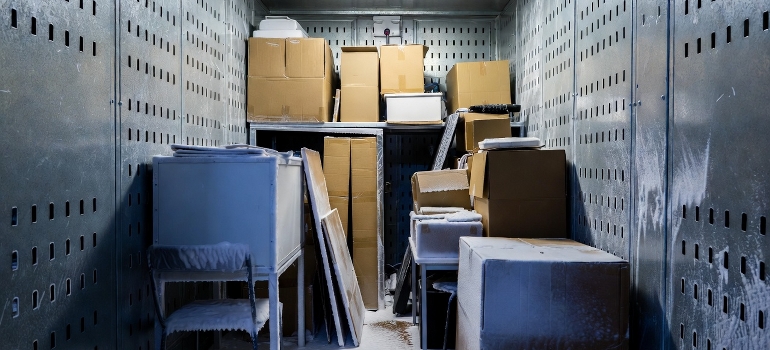
Temperature Swings Cause Material Fatigue In Stored Items
Philadelphia storage damage comes less from deep cold and more from repeated temperature changes. Items expand and contract multiple times each month, which accelerates wear.
- Winter outdoor temperatures commonly range from 15°F to 45°F
- Non-insulated storage units can shift 20–30°F within 24 hours
- Wood moisture content can change 2–4% during freeze-thaw cycles
- Veneer separation risk increases after 3–4 weeks of repeated swings
- Leather stiffening begins below 40°F
Moisture And Condensation Risks In Philly Storage Units
Cold air holds less moisture, but temperature changes create condensation when warmer air enters a cold unit. Even if you are looking only for temporary storage in Philadelphia, winter humidity creates real risk. Philadelphia averages 60 to 70 percent relative humidity in winter months, higher than many inland cities. That moisture settles on cold surfaces like metal doors, shelving, and concrete floors. Cardboard boxes wick that moisture upward, weakening structure and encouraging mold growth. Condensation often forms overnight when temperatures drop and disappears by midday, leaving items damp without visible pooling. Upholstered furniture absorbs this moisture slowly, which leads to odor development rather than surface mold at first. Non climate controlled units near exterior walls experience the largest swings.
Condensation Forms Inside Units During Overnight Temperature Drops
Moisture appears when warm air meets cold surfaces inside storage units. This process repeats throughout winter and often goes unnoticed until damage is visible.
- Average winter relative humidity in Philadelphia: 60–70%
- Condensation commonly forms when temperatures drop 10°F or more overnight
- Concrete floors stay 10–15°F colder than air temperature
- Cardboard absorbs moisture within 48–72 hours
- Mold growth can begin after 72–96 hours of damp conditions
Climate Controlled Storage In Philadelphia: When It’s Worth It
Climate controlled units in Philadelphia typically maintain temperatures between 55 and 80 degrees with regulated humidity. Last minute movers in Philadelphia advise choosing climate control when storage exceeds 30 days during winter months. Damp cold causes more damage than dry cold, and climate control directly addresses that issue. Older facilities in South Philly, Port Richmond, and parts of West Philadelphia were built before modern moisture barriers became standard. These buildings often have masonry walls that absorb and release moisture seasonally. Climate control reduces condensation cycles, slows corrosion on metal items, and stabilizes wood movement. Monthly costs usually run 25 to 40 percent higher than standard units, but replacement costs for damaged furniture or electronics often exceed that difference after a single winter.
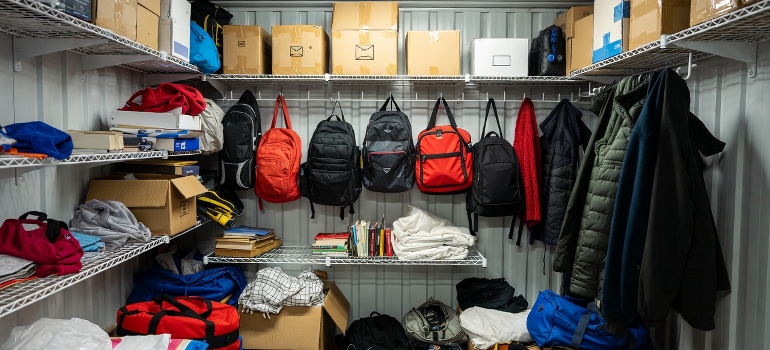
Climate Control Reduces Moisture And Stabilizes Storage Conditions
Climate-controlled units minimize both temperature swings and moisture accumulation, which matters more in Philadelphia than extreme cold protection.
- Climate-controlled units maintain 55–80°F
- Humidity control typically keeps levels below 55%
- Monthly cost increase averages 25–40%
- Damage risk drops significantly after 30 days of storage
- Electronics failure rates decrease after stable storage above 50°F
Preparing Furniture For Winter Storage In Philly Rowhome Moves
Rowhomes dominate Philadelphia housing stock, and tight staircases often force furniture disassembly. Local movers in Philadelphia PA remind you that tightly stacked furniture increases pressure damage and restricts airflow. Disassembled pieces should be wrapped individually, not bundled together. Plastic wrap alone traps moisture. Breathable furniture pads combined with loose plastic shields perform better in winter storage. Sofas and mattresses should be stored on their sides only if supported evenly to avoid frame warping. Wood furniture needs air space between pieces to allow moisture dissipation. Items placed directly against concrete walls are more likely to absorb cold and moisture. Elevation on pallets or shelving reduces exposure and improves air circulation.
Tight Packing In Rowhome Moves Increases Pressure And Moisture Traps
Philadelphia rowhome layouts lead to dense packing, which restricts airflow and concentrates weight in storage units.
- Over 70% of city housing consists of rowhomes or attached properties
- Disassembled furniture reduces stair damage but increases stacking density
- Pressure damage increases when items are stacked over 6 feet high
- Lack of airflow raises internal moisture retention by 30–40%
- Furniture placed against walls absorbs more cold than center-stored items
Electronics And Appliances In Cold Philadelphia Storage Units
Electronics are highly sensitive to condensation and temperature shock. Long distance movers in Philadelphia highlight that damage often occurs during removal, not storage itself. Internal condensation forms when cold electronics are powered on too quickly after removal from storage. Televisions, speakers, and gaming consoles contain solder joints that become brittle below freezing. Washers, dryers, and refrigerators hold residual water even after draining, which can freeze and crack internal lines. Non climate controlled units in Philadelphia can drop below 25 degrees during prolonged cold spells. Electronics stored below freezing for more than two weeks face higher corrosion risk once temperatures rise. Proper winter storage includes sealed plastic bags with desiccants and a 24 hour acclimation period before powering devices back on.
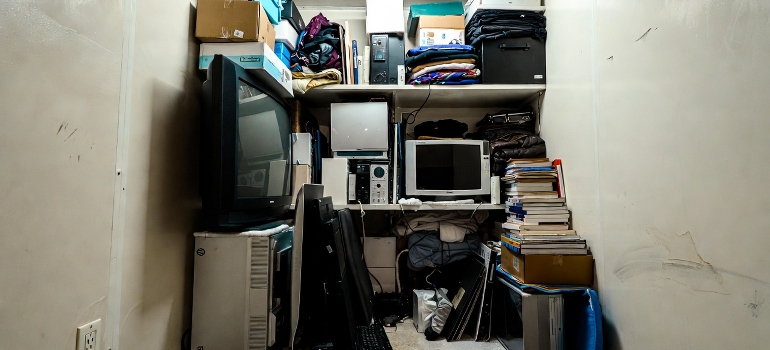
Cold Storage Creates Internal Condensation In Electronics
Electronics often fail after removal from storage, not during storage itself. The cause is temperature shock and trapped moisture.
- Internal condensation forms when cold electronics warm too quickly
- Solder joints become brittle below 32°F
- Corrosion risk increases after 14–21 days below freezing
- Appliances retain residual water even after draining
- Safe power-on delay after storage: 24 hours minimum
Boxing And Packing For Philadelphia’s Damp Winter Climate
Cardboard loses up to 50 percent of its load strength when exposed to high humidity. Philadelphia cross country movers see boxes collapse frequently in winter storage units. Plastic bins offer better moisture resistance but still require airflow to prevent condensation buildup inside the container. Elevation is critical. Boxes should never sit directly on concrete floors, which act as cold sinks and moisture sources. Vapor barriers such as plastic sheeting help but should not seal items airtight. Moisture absorbers like calcium chloride packets reduce humidity inside units, but placement matters. Units larger than 10 by 10 feet often require multiple absorbers spaced evenly. Labeling should use waterproof markers because ink can bleed in damp conditions.
Cardboard Weakens Quickly In Damp Winter Conditions
Packaging materials behave differently in Philadelphia’s winter climate, especially in non-climate-controlled units.
- Cardboard loses up to 50% strength at high humidity
- Concrete floors transfer moisture continuously
- Plastic bins reduce moisture exposure by 60–70%
- Elevating items 3–4 inches reduces floor moisture contact
- Moisture absorbers cover approximately 50 sq ft per unit
Items That Should Not Be Stored Over Winter In Philly
Certain items degrade quickly in Philadelphia winter storage. Move management experts say basement-sourced items already contain elevated moisture levels before entering storage. Paint freezes below 32 degrees and separates permanently. Cleaning products expand when frozen, cracking containers and leaking onto nearby items. Candles deform at low temperatures and absorb surrounding odors. Musical instruments experience rapid wood movement that affects tuning and structural integrity. Paper records and photographs absorb moisture and yellow or mold easily. Food and scented items attract pests even in sealed containers. These items should remain in climate-controlled environments or be kept with you during the winter months.
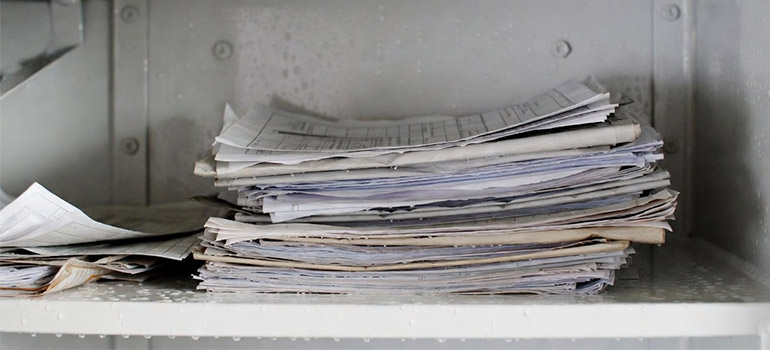
Certain Household Items Degrade Faster In Winter Storage
Some belongings are structurally incompatible with cold and moisture and should not be stored through winter months.
- Paint freezes below 32°F
- Candles deform below 50°F
- Paper absorbs moisture at humidity above 60%
- Musical instruments react to humidity shifts over 10%
- Cleaning chemicals expand and rupture when frozen
Rodents And Pest Activity In Urban Winter Storage
Urban density changes pest behavior during winter. Downsizing services are great for reducing stored volume and pest exposure at the same time. Rodents seek warmth and nesting material as outdoor temperatures drop. Ground-level units near rail corridors, alleys, and older industrial buildings face increased rodent pressure from November through February. Mice can enter through gaps as small as a quarter inch. Cardboard provides both nesting material and scent absorption that attracts pests. Plastic bins reduce access but must be fully latched. Storage facilities vary in pest control frequency, and winter often reduces visible activity rather than eliminating infestations. Items stored for multiple months should be inspected mid-winter if access allows.
Urban Density Increases Winter Pest Pressure In Storage Units
Cold weather pushes pests indoors, and storage units provide warmth, nesting material, and limited disturbance.
- Rodent activity peaks from November to February
- Mice enter through gaps as small as 0.25 inches
- Ground-level units face higher exposure than upper levels
- Cardboard attracts nesting behavior within weeks
- Infestations often go unnoticed for 30+ days in winter
How Long Belongings Can Sit In Philly Storage During Winter
Short-term winter storage of 30 to 60 days is generally low risk if items are packed properly. Leaving your belongings in storage over winter for longer periods increases cumulative exposure to humidity cycles and pests. From December through March, Philadelphia experiences repeated thaw events that reintroduce moisture into storage units. Upholstered items stored longer than 90 days without climate control show higher odor retention rates. Wood furniture begins showing finish dulling after prolonged damp exposure. Electronics stored over 120 days in non-climate units face higher failure rates when powered back on. Longer storage timelines benefit from climate control and periodic checks when possible.
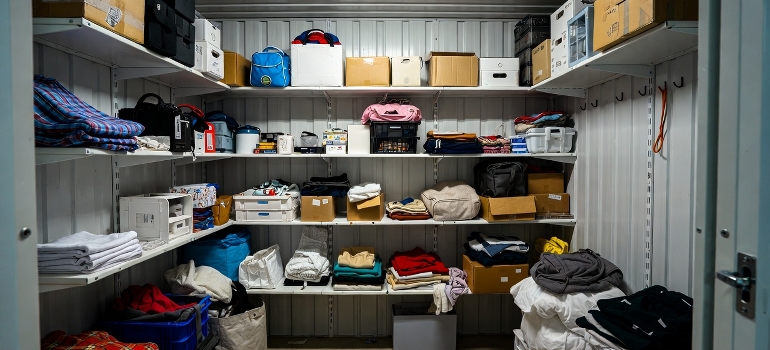
Storage Duration Directly Increases Winter Damage Risk
Time amplifies exposure. The longer items remain stored during winter, the higher the cumulative risk.
- Low-risk storage window: 30–60 days
- Odor absorption increases after 90 days
- Wood finish dulling appears after 3–4 months
- Electronics failure risk rises after 120 days
- December–March carries the highest moisture fluctuation frequency
Insurance And Liability For Winter Storage In Philadelphia
Storage facility contracts often limit liability for moisture, mold, and temperature-related damage. Leaving your belongings in storage over winter without supplemental coverage increases financial risk. Many Philadelphia facilities cap coverage at a few thousand dollars or exclude electronics entirely. Renters insurance policies often extend coverage to off-site storage, but limits apply, and deductibles still matter. Specialty riders cover high-value items like instruments and electronics more effectively. Claims related to condensation are harder to prove without documentation. Photographing items before storage and retaining packing receipts improves claim outcomes. Insurance does not prevent damage, but it reduces the cost of recovery when winter conditions take a toll.
Storage Contracts Offer Limited Protection Against Winter Damage
Insurance gaps surprise many people after winter storage damage appears.
- Facility liability often capped at $2,000–$5,000
- Moisture damage frequently excluded
- Electronics often excluded entirely
- Renters insurance off-site coverage varies by policy
- Documentation improves claim success rates significantly
Leaving Your Belongings In Storage Over Winter Without Costly Surprises
Philadelphia winters are manageable with the right approach. Cold alone is not the main issue. Moisture, condensation, and older infrastructure create the real risks. Leaving your belongings in storage over winter works best when planning matches local conditions. Climate control decisions, packing methods, and item selection all affect outcomes. Short-term storage can be simple. Longer storage demands more protection and awareness. The goal is to open your unit in the spring without surprises. Leaving your belongings in storage over winter should feel like a temporary pause, not a gamble with your furniture and valuables. With informed choices, winter storage in Philadelphia stays practical and predictable.


