
Relocating to Drexel Hill appeals to people who want stable housing prices, predictable expenses, and daily access to Philadelphia without paying city premiums. The area sits inside a mature housing market with strong transit access, older construction, and costs that stay lower than many nearby suburbs. Philadelphia movers often point out that Drexel Hill attracts buyers and renters who want value rather than flash. This guide focuses on numbers, real costs, and everyday realities. Moving to Drexel Hill involves tradeoffs tied to taxes, home age, and commuting patterns. Each section below breaks down what people actually pay and what tends to surprise new residents once daily life settles in.
Housing Prices And Rent Levels
Home prices in Drexel Hill stay lower than many nearby Main Line and inner-ring suburbs, especially for buyers willing to handle older housing stock. Movers in Drexel Hill say most buyers look at rowhomes and twins first because detached homes push higher budgets quickly. Median sale prices typically range from $290,000 to $320,000, depending on condition, with renovated twins often landing $30,000 to $50,000 above dated equivalents. Rowhomes often sell between $220,000 and $270,000, while detached colonials and larger Tudors commonly exceed $360,000. Rents follow a similar pattern. One-bedroom apartments average $1,250 to $1,400 per month, two-bedrooms land closer to $1,550 to $1,750, and single-family rentals push past $2,200. Compared to Upper Darby, Drexel Hill prices run 5 to 10 percent higher due to housing size and curb appeal. Springfield prices jump significantly, with median sales often $80,000 to $120,000 higher for similar square footage.
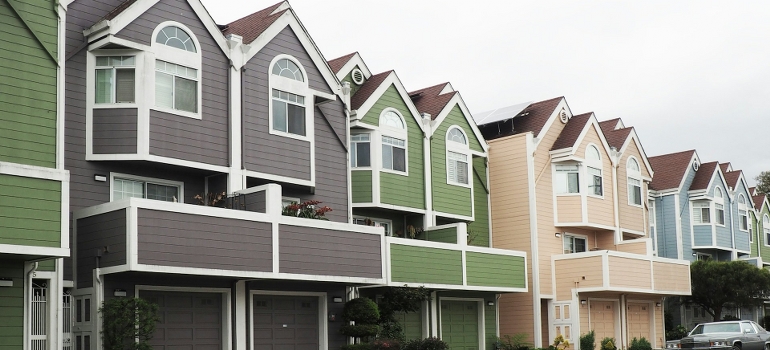
Typical Purchase Prices And Rental Ranges In Drexel Hill
Housing costs in Drexel Hill follow a narrow but predictable range tied to property type, condition, and block. Buyers and renters usually see consistent pricing once renovations and square footage are factored in.
- Median home sale price: $290,000–$320,000
- Rowhome purchase range: $220,000–$270,000
- Twin home purchase range: $280,000–$350,000
- Detached home purchase range: $360,000–$450,000
- One-bedroom rent: $1,250–$1,400/month
- Two-bedroom rent: $1,550–$1,750/month
- Single-family rental: $2,200–$2,700/month
- Price difference vs Upper Darby: 5–10% higher
- Price difference vs Springfield: $80,000–$120,000 lower
Property Taxes And School District Impact
Property taxes represent one of the highest recurring costs for homeowners in Drexel Hill and vary sharply by assessment history. Delaware County movers recommend reviewing past tax reassessments because similar homes can differ by thousands per year. Annual property tax bills commonly range from $3,500 to $6,500, with millage rates tied to Upper Darby School District funding. Homes reassessed after major renovations often see sharp jumps, sometimes adding $150 to $300 per month to escrow payments. Older assessments can keep taxes artificially low until a sale triggers review. School district boundaries matter because Upper Darby School District carries a higher millage rate than some neighboring districts, even when home prices look similar. Buyers budgeting strictly by mortgage payment often underestimate total housing cost when taxes are folded in. Moving to Drexel Hill works best for buyers who factor taxes into long-term affordability instead of focusing only on purchase price.
How Property Taxes Change Monthly Housing Costs
Property taxes in Drexel Hill fluctuate widely due to assessment history and school district funding. Monthly costs can differ sharply between similar homes based on reassessment timing.
- Typical annual property tax range: $3,500–$6,500
- Monthly tax escrow range: $290–$540
- Upper Darby School District millage: among the highest in Delaware County
- Tax increase after reassessment: $150–$300/month
- Renovation-triggered reassessments: common
- Older assessments vs newer: up to 40% difference
- Taxes as share of housing cost: 18–25%
Everyday Monthly Expenses
Monthly living costs in Drexel Hill reflect older infrastructure and seasonal energy swings. Moving services in Philadelphia regularly flag heating costs as the biggest surprise for new residents. Electric bills for small rowhomes average $90 to $130 monthly, while larger twins and detached homes often land between $140 and $190. Natural gas heating runs $120 to $220 during the winter months, with older boilers pushing higher without upgrades. Water and sewer average $70 to $110 monthly, depending on household size. Trash service is typically bundled through township fees rather than private haulers. Internet service averages $70 to $95, depending on provider and speed. Summer cooling costs stay moderate due to tree cover, while winter heating drives total utility spending up by 30 to 40 percent. Moving to Drexel Hill favors households that budget seasonally rather than evenly across the year.

What Residents Actually Pay Each Month To Live Here
Monthly expenses reflect older construction, seasonal heating needs, and standard township service costs. Winter months consistently cost more than summer.
- Electric bill average: $90–$130/month
- Electric for larger homes: $140–$190/month
- Natural gas heating (winter): $120–$220/month
- Summer cooling increase: 15–20%
- Water and sewer: $70–$110/month
- Internet service: $70–$95/month
- Seasonal utility swing: 30–40%
- Annual utilities total: $2,800–$3,600
Commuting And Transportation Costs
Transit access defines daily life in Drexel Hill and directly affects monthly transportation budgets. Last minute movers in Philadelphia advise planning around SEPTA trolley lines because parking availability varies block by block. The Route 101 and 102 trolleys provide direct access into Center City, with monthly passes costing roughly $96 to $140, depending on zones. Driving into Philadelphia typically takes 25 to 40 minutes, depending on traffic and route selection. Gas expenses average $120 to $180 per month for local commuting. Parking permits are not township-wide but street congestion increases near commercial corridors. Car insurance rates average $1,600 to $2,100 annually, slightly higher than suburban averages due to density. Households relying on transit often save $250 to $400 monthly compared to full vehicle ownership. Moving to Drexel Hill works well for commuters who value trolley access over highway proximity.
Cost Of Getting To Philadelphia And Getting Around Locally
Transportation expenses depend heavily on transit usage versus car ownership. Drexel Hill offers cost flexibility but parking density affects vehicle reliance.
- SEPTA monthly pass: $96–$140
- Trolley commute to Center City: 35–45 minutes
- Driving commute average: 25–40 minutes
- Monthly gas spend: $120–$180
- Annual car insurance: $1,600–$2,100
- Parking permits: street-based, no township fee
- Transit-based savings: $250–$400/month
- Average household vehicles: 1.6
Grocery, Dining, And Local Shopping
Daily spending on food and essentials in Drexel Hill remains predictable and modest compared to urban neighborhoods. Local movers in Philadelphia PA remind you that most errands stay within a short drive or trolley stop. Monthly grocery spending for a two-person household averages $550 to $700, driven by a mix of chain grocers and local markets. Dining costs lean practical rather than trendy. Casual takeout meals typically range from $12 to $18 per person, while sit-down dinners land between $22 and $35. Coffee runs $3 to $5. Local shopping centers cluster along Township Line Road and State Road, reducing fuel and time costs. Specialty shopping often requires short trips into Havertown or Springfield. Moving to Drexel Hill suits residents who prioritize convenience and budget consistency over nightlife density.

Daily Food And Shopping Costs For Local Households
Food spending stays stable due to proximity to chain grocers and limited reliance on destination shopping. Dining remains practical and budget-oriented.
- Two-person grocery budget: $550–$700/month
- Family grocery budget: $750–$900/month
- Casual takeout meal: $12–$18/person
- Sit-down dining: $22–$35/person
- Coffee drinks: $3–$5
- Weekly grocery trips: 1–2
- Average errand drive: under 3 miles
- Dining frequency: 2–3 times/week
Insurance, Healthcare, And Local Service Costs
Insurance, healthcare, and local service costs in Drexel Hill tend to fall in the middle range when compared to Philadelphia and the outer suburbs. Homeowners insurance usually runs between $1,100 and $1,600 per year, depending on coverage limits and roof age. Renters insurance stays inexpensive, averaging $180 to $260 annually. Health insurance costs depend heavily on employment, but individual plans commonly fall between $450 and $650 per month, while family contributions often reach $1,200 to $1,600. Primary care visits typically require $25 to $40 copays, with urgent care visits ranging from $75 to $150. Emergency room visits can exceed $1,200 before insurance adjustments. Local services remain predictable. Trash and recycling are handled through township systems, not private contracts. Basic municipal services are funded through local taxes, keeping out-of-pocket service fees limited and easy to plan for year over year.
What Residents Pay For Insurance And Basic Services
Insurance and healthcare costs in Drexel Hill sit above rural averages but below major city pricing. Proximity to Philadelphia expands provider access while keeping premiums relatively controlled.
- Homeowners insurance: $1,100–$1,600/year
- Renters insurance: $180–$260/year
- Health insurance (individual employer plan): $450–$650/month
- Family health insurance share: $1,200–$1,600/month
- Dental insurance add-on: $25–$45/month
- Vision insurance add-on: $10–$18/month
- Primary care visit copay: $25–$40
- Urgent care visit: $75–$150
- Average pharmacy copay: $10–$35
- Emergency room visit before insurance: $1,200–$2,500
Neighborhood Feel And Daily Rhythm
Drexel Hill offers a steady, residential rhythm shaped by housing density and school schedules. Long distance movers in Philadelphia highlight that street noise stays moderate but not silent due to trolley lines and through-traffic. Walkability varies block to block, with flatter sections near commercial corridors feeling more pedestrian-friendly. School traffic peaks between 7:30 and 8:30 a.m. and again mid-afternoon, briefly slowing local roads. Weekdays stay calm outside rush hours, while weekends bring steady movement without crowding. Public spaces feel used but not overrun. Street parking competition increases after 6 p.m. in denser areas. Moving to Drexel Hill attracts residents who are comfortable with lived-in neighborhoods rather than newly planned developments.

How Streets, Noise, And Traffic Shape Daily Life
Daily rhythm in Drexel Hill follows predictable residential patterns tied to schools, commuting hours, and street layout. Density is noticeable but manageable.
- Average residential block length: 300–400 feet
- Street parking saturation after 6 p.m.: 70–85%
- School traffic peak windows: 7:30–8:30 a.m., 2:45–3:45 p.m.
- Noise sources: trolleys, arterial roads
- Walk score range: 60–75
- Weekend traffic increase: 10–15%
- Commercial corridor distance: 0.5–1 mile
- Population density: ~9,000 per sq mile
Maintenance And Upkeep For Older Homes
Older homes dominate Drexel Hill’s housing stock, and upkeep costs deserve realistic budgeting. Philadelphia cross country movers note that many buyers underestimate post-move repair expenses. Roof replacements typically range from $9,000 to $16,000, depending on size and material. HVAC upgrades average $7,500 to $12,000, especially when replacing outdated boilers. Electrical panel updates run $2,500 to $4,000 for code compliance. Sewer line repairs can exceed $6,000 if clay pipes fail. Routine maintenance averages $2,000 to $3,500 annually for homes over 70 years old. Preventive upgrades reduce long-term costs but require upfront capital. Moving to Drexel Hill rewards buyers who plan repairs instead of reacting to emergencies.
Real Maintenance Costs New Owners Often Miss
Aging housing stock drives predictable repair and replacement cycles. Buyers who plan ahead avoid sudden financial strain after closing.
- Annual routine maintenance: $2,000–$3,500
- Roof replacement: $9,000–$16,000
- HVAC system upgrade: $7,500–$12,000
- Electrical panel upgrade: $2,500–$4,000
- Sewer line repair: $6,000–$10,000
- Window replacement (full home): $12,000–$18,000
- Boiler lifespan remaining in many homes: 10–15 years
- Homes over 70 years old: majority of stock
Public Services, Fees, And Local Regulations
Public services and local regulations in Drexel Hill affect monthly and annual costs in ways that are easy to overlook during a move. Earned income tax is set at 1 percent, which directly impacts take-home pay for working residents. Real estate transfer tax totals about 2 percent at closing, split between buyer and seller. Trash and recycling services are handled at the township level and included through local taxes rather than separate bills. Snow removal rules require property owners to clear sidewalks promptly, which can add seasonal maintenance costs or service fees. Sidewalk repairs also fall on the homeowner, not the municipality. Rental properties must be registered, with fees typically ranging from $50 to $100 and inspections scheduled every few years. Renovation permits usually cost between $150 and $500, depending on project scope. Code violations carry fines that can quickly escalate if ignored.
Township Fees And Rules That Affect Daily Costs
Local regulations and service fees influence recurring costs in ways many movers overlook. Township structure keeps fees moderate but enforcement remains consistent.
- Local earned income tax: 1%
- Real estate transfer tax: 2% total
- Trash and recycling: included via the township
- Street parking permits: block-specific, no universal fee
- Snow removal responsibility: homeowner sidewalk obligation
- Sidewalk repair liability: property owner
- Rental registration fees: $50–$100
- Rental inspection cycles: every 3–5 years
- Permit fees for renovations: $150–$500+
- Code violation fines: $100–$1,000 per issue
Why Moving To Drexel Hill Works For Cost-Focused Relocations
People drawn to Drexel Hill value financial predictability, transit access, and established neighborhoods. Housing prices stay reachable, rents remain stable, and daily expenses fall within known ranges. Taxes require attention, older homes demand maintenance, and commuting choices shape budgets. Those factors define success more than surface appeal. Moving to Drexel Hill fits buyers and renters who plan carefully and prefer substance over novelty. Long-term affordability depends on understanding real numbers rather than averages. For households willing to engage with the details, relocating to Drexel Hill delivers steady living costs, strong location advantages, and fewer surprises once the boxes are unpacked.


