
A last minute winter move in Philadelphia does not have to feel chaotic. Cold weather adds pressure, but the city also rewards people who plan smart and move fast. Philadelphia’s housing stock, street layout, and winter rules create challenges that are very specific to this area. Rowhomes, permit parking, snow routes, and older buildings all affect timing and cost. People who stay focused on logistics instead of stress tend to avoid fines, damage, and delays. Working with Philadelphia movers who understand winter conditions helps, but personal preparation still matters. A solid plan keeps loading efficient, protects belongings from moisture, and avoids enforcement issues. This guide focuses on real Philly conditions, real regulations, and decisions that matter when time is tight and temperatures drop.
Navigating Philadelphia Rowhomes And Tight Streets In Winter
Philadelphia’s housing stock creates physical limits that affect every winter move. Last minute movers in Philadelphia advise planning for rowhome dimensions before the truck arrives. Typical rowhome staircases measure 30 to 36 inches wide, with steep rises that slow carrying speed in winter boots. Many streets in South Philly and parts of North Philly are under 20 feet wide, leaving little margin for error once snow piles reduce curb space. Ice buildup near storm drains creates slip hazards that increase injury risk and slow loading time. Crews often lose 15 to 25 percent efficiency in icy conditions. Clear a six-foot loading path with salt before the truck arrives. Use furniture sliders and moving blankets rated for moisture. Quick staging inside the home reduces door exposure and keeps interior heat from escaping.

How Philly Rowhome Layouts Slow Winter Loading
Rowhomes magnify winter challenges because space is limited at every step. Snow and ice reduce already tight margins and slow every carry. Small layout constraints quickly add real time and labor.
- Average Philly rowhome staircase width: 30–36 inches, limiting two-person carries
- Staircase pitch is steeper than modern builds, increasing slip risk in boots
- Front door clearance typically 32–34 inches, forcing furniture tilting
- Narrow vestibules slow staging during fast loading
- Common South Philly street width: 18–22 feet before snow piles
- Snowbanks reduce curb access by 2–4 feet on each side
- Winter carry speed drops 15–25% due to layered clothing
- Ice buildup near curb drains creates high-risk slip zones
- Clearing a 6–8 foot salted path reduces injuries and delays
- Interior heat loss increases when doors stay open too long
Dealing With Parking Restrictions And Temporary No-Parking Permits
Parking enforcement remains active during winter moves. Moving services in Philadelphia know that permit parking zones and snow emergency routes stay enforced even during storms. Temporary no-parking permits cost around $35 per location and usually require 3 to 5 business days for approval, which limits options for true last-minute moves. Streets designated as snow emergency routes prohibit stopping once a snow emergency is declared, regardless of permits. Violations can result in tickets exceeding $75 or immediate towing. In dense areas like Center City and Fairmount, enforcement peaks between 8 a.m. and 6 p.m. Early morning loading reduces risk. Neighbors sometimes allow short-term curb access, but that approach carries risk. Blocking a hydrant or crosswalk triggers automatic fines, winter or not.
Winter Parking Enforcement Does Not Relax For Moves
Philadelphia treats winter enforcement seriously. Snow emergencies and permit zones increase the likelihood of tickets and towing when planning is rushed.
- Temporary no-parking permits cost about $35 per address
- Permit approval requires 3–5 business days, rarely faster
- Snow emergency routes ban stopping once declared
- Vehicles on snow routes may be towed without warning
- Hydrant blocking fines exceed $75
- Crosswalk blocking results in automatic ticketing
- Center City enforcement peaks 8 a.m. to 6 p.m.
- Weekend enforcement increases during winter events
- Towing response times shorten during snow emergencies
- Illegally parked trucks can halt a move mid-load
Timing A Move Around Philly Winter Weather Patterns
Philadelphia winters bring more freezing rain than heavy snow. Local movers in Philadelphia PA, remind you that ice delays cause more damage than snowfall. Average winter temperatures range from 26 to 42 degrees, creating repeated freeze-thaw cycles that turn sidewalks slick by mid-morning. Wind chills below 20 degrees increase fatigue and slow carrying speed by roughly 10 percent. Short daylight hours matter when moving after work, especially between December and February when sunset hits before 5 p.m. Night loading increases injury risk and limits visibility on narrow streets. Monitoring hourly forecasts instead of daily summaries helps avoid freezing rain windows. A four-hour move scheduled during daylight saves time and reduces exposure compared to evening moves under artificial lighting.

Freezing Rain And Short Days Create Hidden Delays
Winter weather in Philadelphia creates timing traps. Ice slows loading more than snow, and daylight loss limits safe working windows.
- Average winter temperature range: 26–42°F
- Freeze-thaw cycles create slick surfaces by late morning
- Freezing rain is more common than heavy snowfall
- Wind chills below 20°F reduce endurance
- Gloves reduce grip strength on furniture handles
- Daylight ends before 5 p.m. from December to February
- Evening visibility drops sharply on narrow streets
- Ice delays increase injury risk during stair carries
- Hourly forecasts offer better planning than daily summaries
- Midday moves reduce exposure to overnight refreeze
Protecting Belongings From Slush, Salt, And Moisture
Moisture damage is the most common winter moving issue in Philadelphia. If you are organizing a last minute winter move, long distance movers in Philadelphia highlight that salt residue causes surface damage within minutes. Cardboard absorbs slush quickly, collapsing boxes and damaging contents. Plastic mattress bags and shrink wrap reduce moisture transfer by up to 90 percent. Hardwood furniture reacts poorly to rapid temperature shifts, increasing the risk of warping and finish cracking. Floor protection matters inside both homes. Salt tracked indoors stains tile and eats away at wood finishes. Use rubber-backed runners at entry points. Keep boxes elevated off truck floors where condensation forms. Short local moves still require full moisture protection due to curb conditions and repeated door openings.
Moisture Damage Happens Faster Than Most People Expect
Winter damage is fast and cumulative. Even short exposure to salt and slush can permanently damage household items.
- Cardboard weakens within minutes of moisture contact
- Salt residue stains floors and rugs almost immediately
- Wood finishes can etch within 30 minutes
- Plastic wrap blocks slush splash from sidewalks
- Mattress bags prevent moisture absorption
- Condensation forms on truck floors below 35°F
- Metal furniture legs rust quickly when exposed to salt
- Upholstery absorbs moisture and odors
- Rubber-backed runners cut indoor salt tracking 60–70%
- Elevated box placement reduces condensation damage
Managing Apartment And Condo Rules In Philly Buildings
High-density buildings add another layer of winter restrictions. Philadelphia cross country movers often encounter move-in limits that tighten during cold weather. Many Center City buildings restrict moves to weekdays between 9 a.m. and 4 p.m. Elevator reservations are required, with fees ranging from $150 to $500 depending on building policy. Some properties suspend moves entirely during snow emergencies to protect common areas. Security deposits for move-related damage are common and may be withheld if salt or water damage occurs. Loading zones near high-rise buildings are closely monitored by parking enforcement. Confirm building rules in writing before move day. Failure to follow procedures can stop a move mid-process, even with a truck on site.
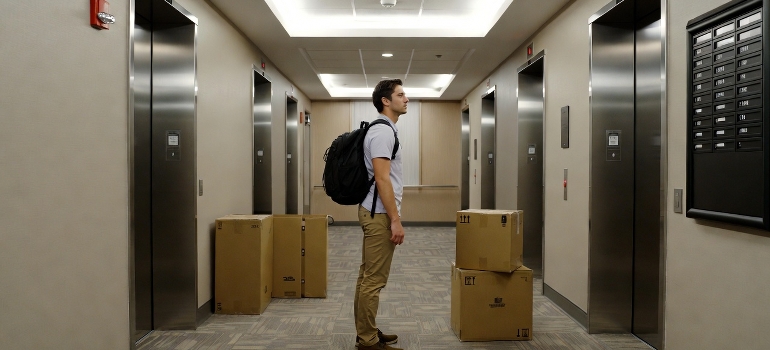
Winter Move Restrictions In Dense Philly Buildings
Building policies add friction during winter. Snow events increase restrictions and enforcement by property managers.
- Typical move windows: 9 a.m. to 4 p.m., weekdays
- Elevator reservations required in most multi-unit buildings
- Reservation fees range $150–$500
- Some buildings block moves during snow emergencies
- Loading dock access may be limited during storms
- Salt damage to hallways leads to withheld deposits
- Insurance certificates often required before move day
- Building staff may supervise winter moves
- Missed reservations can cancel elevator access
- Limited curb access near high-rises increases ticket risk
Planning Around SEPTA Traffic And Rush Hour Bottlenecks
Winter traffic patterns change fast in Philadelphia. Move management experts say SEPTA delays push more commuters onto roads during snow and ice events. I-76, Roosevelt Boulevard, and City Avenue see congestion spikes of 30 to 40 percent during weather disruptions. Loading during rush hour adds unpredictable delays that extend paid moving time. Winter accidents increase tow truck activity, further reducing lane availability. Planning routes that avoid river crossings during peak hours saves time. Moving earlier in the day limits exposure to traffic surges caused by transit delays. Distance matters less than timing in winter. A three-mile move during rush hour can take longer than a ten-mile move mid-morning.
Winter Transit Disruptions Push Traffic Onto Roads
When SEPTA slows, roads absorb the pressure. Winter incidents compound delays and increase paid moving hours.
- SEPTA delays push commuters onto cars
- Winter congestion increases 30–40% during disruptions
- I-76 backs up first during snow events
- Roosevelt Boulevard accident rates rise in icy weather
- City Avenue bottlenecks during evening rush
- Tow trucks reduce lane availability after accidents
- Bridge crossings slow during winter precipitation
- Short moves can double in duration during rush hour
- Mid-morning scheduling avoids commuter spillover
- Early loading reduces exposure to traffic spikes
Preparing For Utility Gaps In Cold Weather
Utility delays create serious winter risks. Downsizing services are great for reducing exposure when heat or electricity activation lags. PECO and gas service transfers may take 24 to 72 hours during peak winter demand. Heat outages below 40 degrees risk frozen pipes within hours, especially in older rowhomes with minimal insulation. Space heaters provide short-term relief but increase electrical load. Use only models with tip-over protection and dedicated outlets. Keep water lines trickling if heat activation is delayed. Battery-powered lighting avoids reliance on extension cords. Confirm utility activation dates in writing before move day. Backup plans prevent property damage and health risks when schedules slip.
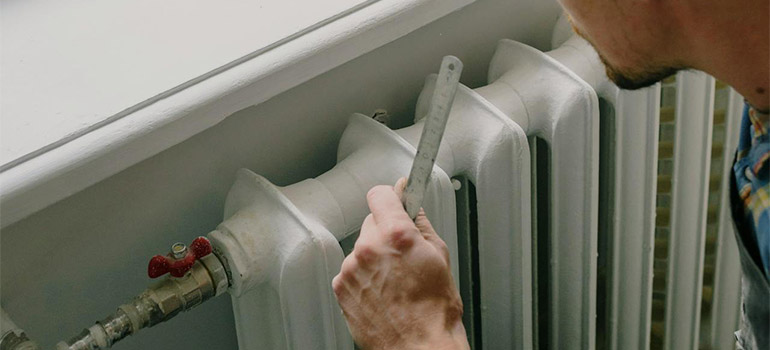
Heat Delays Create Real Property Risks In Winter Moves
Utility timing matters most in winter. Even short delays can cause damage in older Philadelphia homes.
- Utility transfers may take 24–72 hours in winter
- High demand slows same-day activation
- Pipes freeze within 6–12 hours below 40°F
- Older rowhomes lack insulated pipe chases
- Basements freeze faster than living areas
- Space heaters draw 1,500 watts each
- Overloaded circuits trip breakers quickly
- Battery lighting avoids extension cord hazards
- Trickle-flow water reduces freeze risk
- Written confirmations prevent activation gaps
What To Wear On Winter Move Day In Philadelphia
Cold, wet conditions demand clothing that keeps you warm without slowing movement during a last minute winter move in Philadelphia. Local winter moves often involve snow, slush, wind, and long stretches outdoors followed by overheated interiors. The goal is temperature control, grip, and mobility. Clothing choices affect safety, endurance, and how fast the move stays on schedule. Bulky layers cause fatigue and restrict motion. Thin, functional layers work better. Footwear matters more than coats. Wet feet and cold hands reduce carrying strength quickly. Dressing correctly helps avoid slips, strains, and unnecessary breaks on move day.
Clothing That Keeps You Warm Without Slowing You Down
Choose gear that balances insulation and movement. Avoid cotton and oversized winter wear.
- Waterproof boots with rubber soles and ankle support
- Thermal socks, preferably wool or synthetic blends
- Lightweight insulated jacket, not a heavy parka
- Moisture-wicking base layer to control sweat
- Work gloves with grip and water resistance
- Knit hat that fits under hoods or helmets
- Stretch pants that allow stair climbing without restriction
Staying In Control During A Last Minute Winter Move In Philadelphia
A last minute winter move in Philadelphia rewards preparation and local awareness. Rowhome layouts, winter enforcement, and building rules all affect outcomes. Timing moves around daylight, weather windows, and traffic patterns reduces risk and cost. Moisture protection and utility planning prevent damage that often outweighs moving fees. People who focus on logistics instead of rushing avoid fines, injuries, and delays. A last minute winter relocation in Philadelphia becomes manageable when each decision reflects real city conditions. Cold weather does not eliminate options. It narrows them. Smart planning keeps the move efficient, safe, and under control.


